
ThinkChinese

posts
-

Divest From the Party: Why Chinese Lessons Are the Smarter Long-Term Investment
Every parent is a portfolio manager, constantly weighing investments. Do we invest in the short-term social dividend of a birthday party, or the long-term asset of a second language? For many parents, it’s a genuine weekly dilemma. Flora, a monolingual parent, had a clear goal: she wanted her daughter, Lily, to be bilingual. She enrolled…
-

How to Say Competition in Chinese?
比赛 (bǐ sài) is the Chinese for “competition.” To help you remember: ● 比 (bǐ) means ”compare”● 赛 (sài) means “contest” As we explored in previous posts, to help you remember vocabulary you can buildgroups of words which contain either character, like: ● 比较 (fairly, relatively)● 比如 (for example)● 比亚迪 (the BYD car company)Or:● 赛区…
-
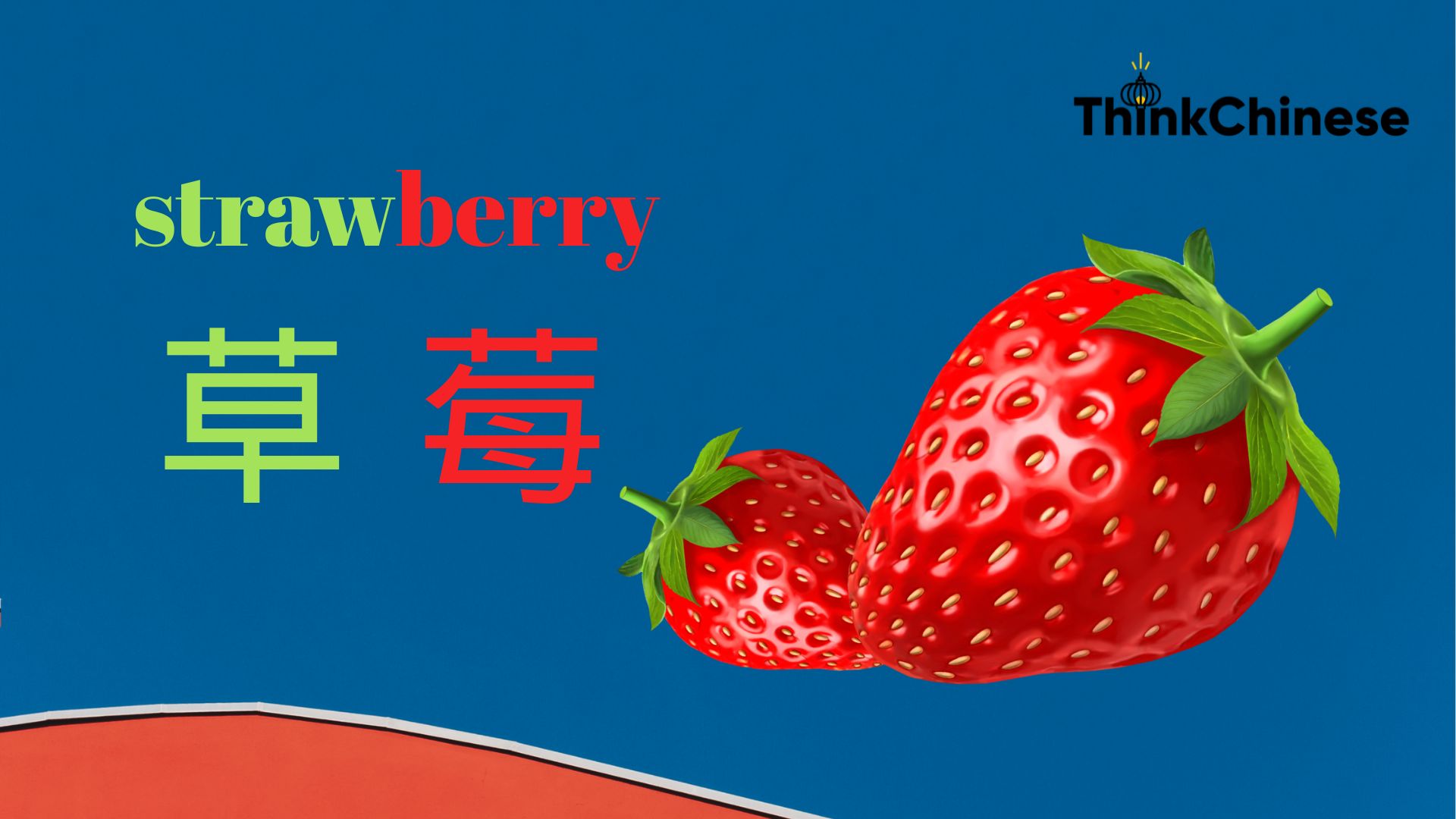
How to say “strawberry” in Chinese?
草莓 (cǎo méi) is the Chinese for “strawberry.” To help you remember: So in Chinese a “strawberry” is literally a “straw” “berry,” just as it is in English. Recognising words which map directly to English like this helps us to find common ground and makes what immediately looks strange feel familiar. The fun thing is…
-
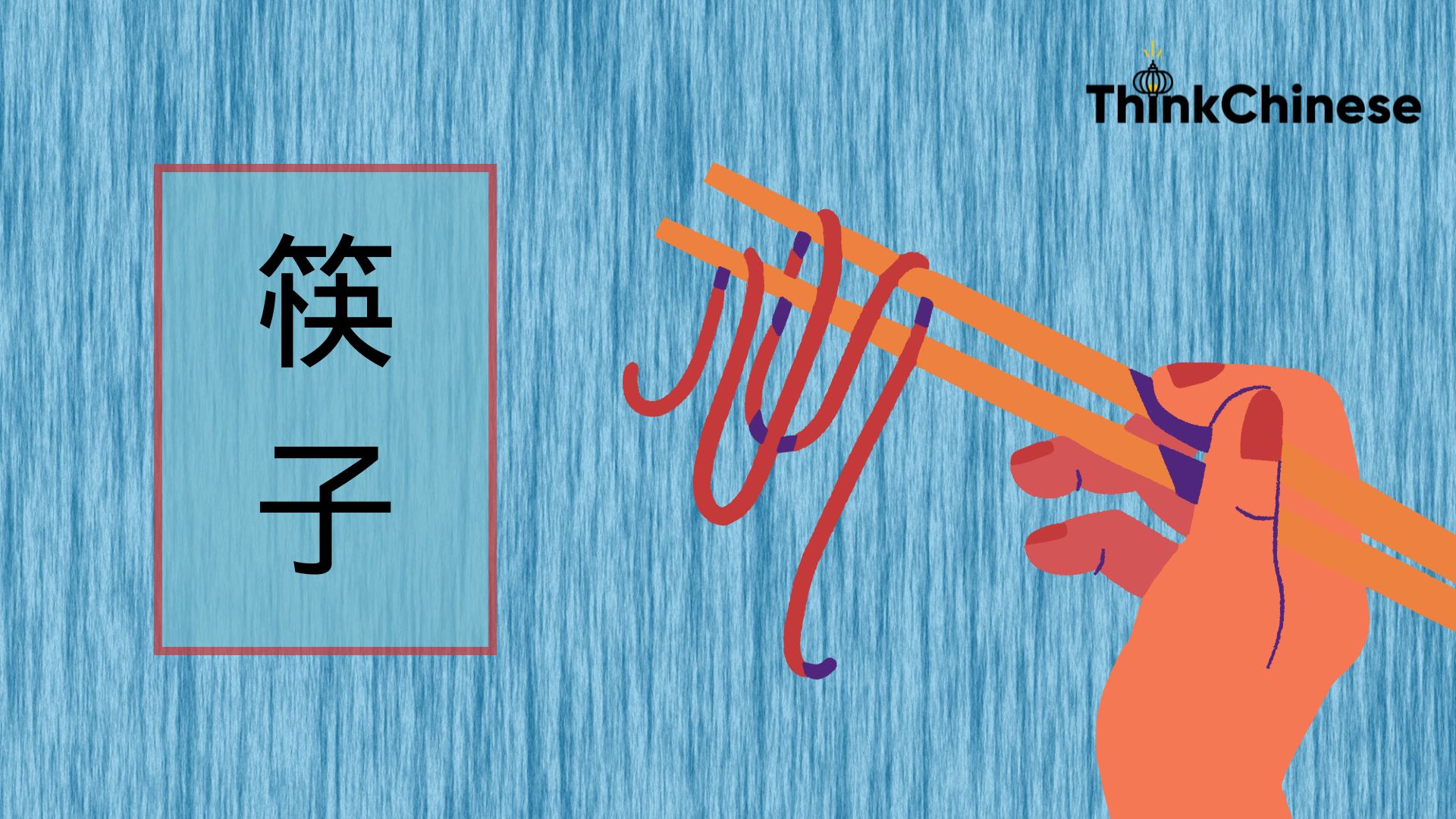
Happy Chopsticks
快乐 (kuài lè) is the Chinese for “happy.”筷子 (kuài zǐ) is the Chinese for “chopsticks.” Both “happy” and “chopsticks” share the sound “kuài.” When we’re writing, you can see the difference: 筷 (chopsticks) has the radical for “bamboo” (竹) on top; 快 (happy) does not. But if we say 筷 (chopsticks) and 快(happy), they sound…
-

A “rose” by its Chinese name
Shakespeare’s Juliet says: “A rose by any other name would smell as sweet.” But its Chinese name is surprising. 玫瑰 (méi guī) is the Chinese for “rose.” What is surprising is that both characters refer to a stone rather than a plant. The “radical” is the part of a Chinese character that usually hints at…
-

How to say “television” in Chinese?
The modular structure of Chinese: recognising shared blocks as the key to unlocking vocabulary and making it memorable. The Beijing Language and Culture University (BCLU) has assembled a massive corpus of Chinese text with a total length of 15 billion characters. 93% of that corpus is comprised of words which are either one or two…
-
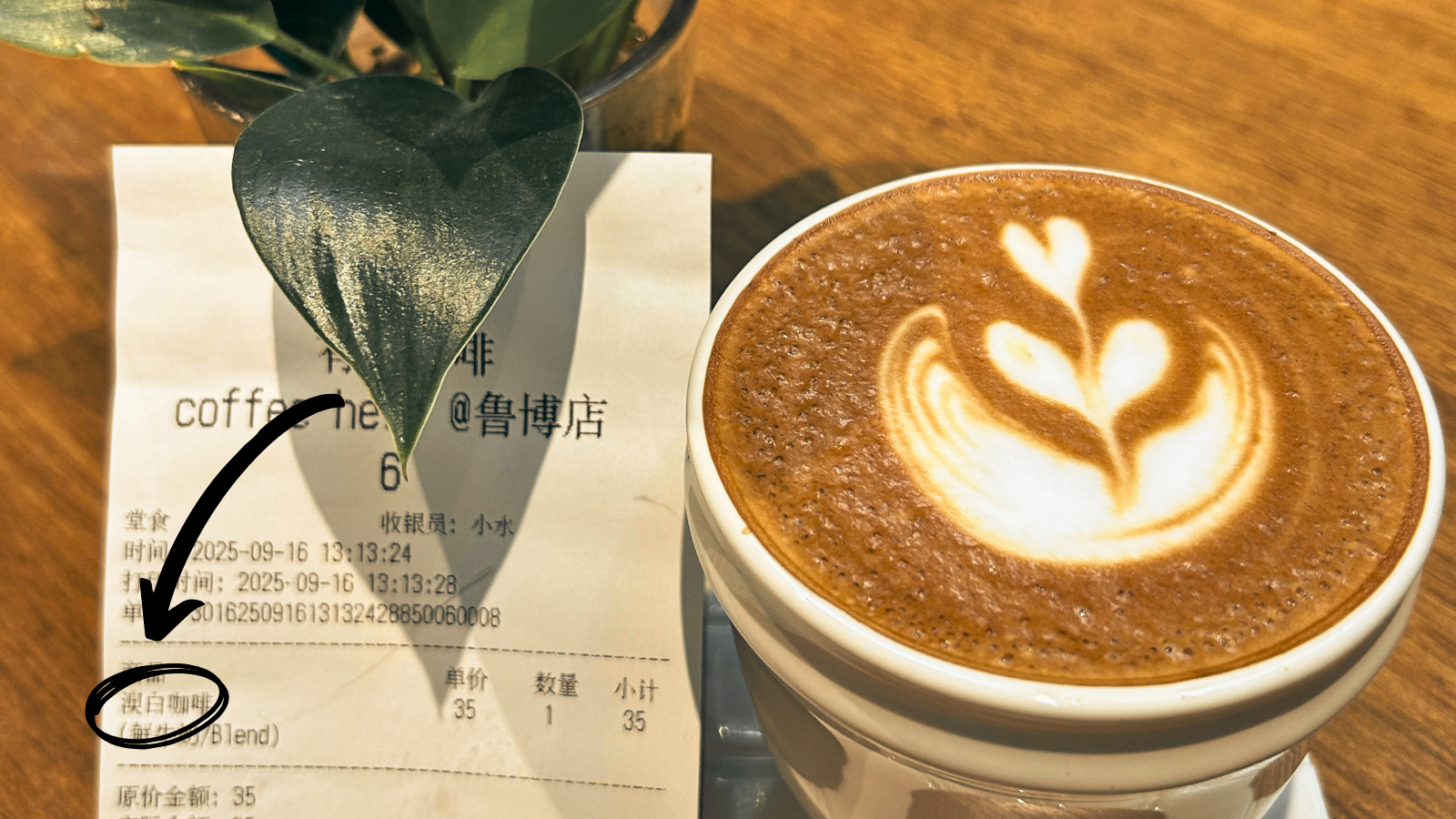
How to order a flat white in Chinese
澳白 (ào bái) is the Chinese for “flat white.” To help you remember: So in Chinese a “flat white” is called an “Australasian white.” Did you know that Australia and New Zealand both claim to have invented the flat white, hence the Chinese name? Taking it further When you’re ready, to 澳白 (ào bái) you…
-
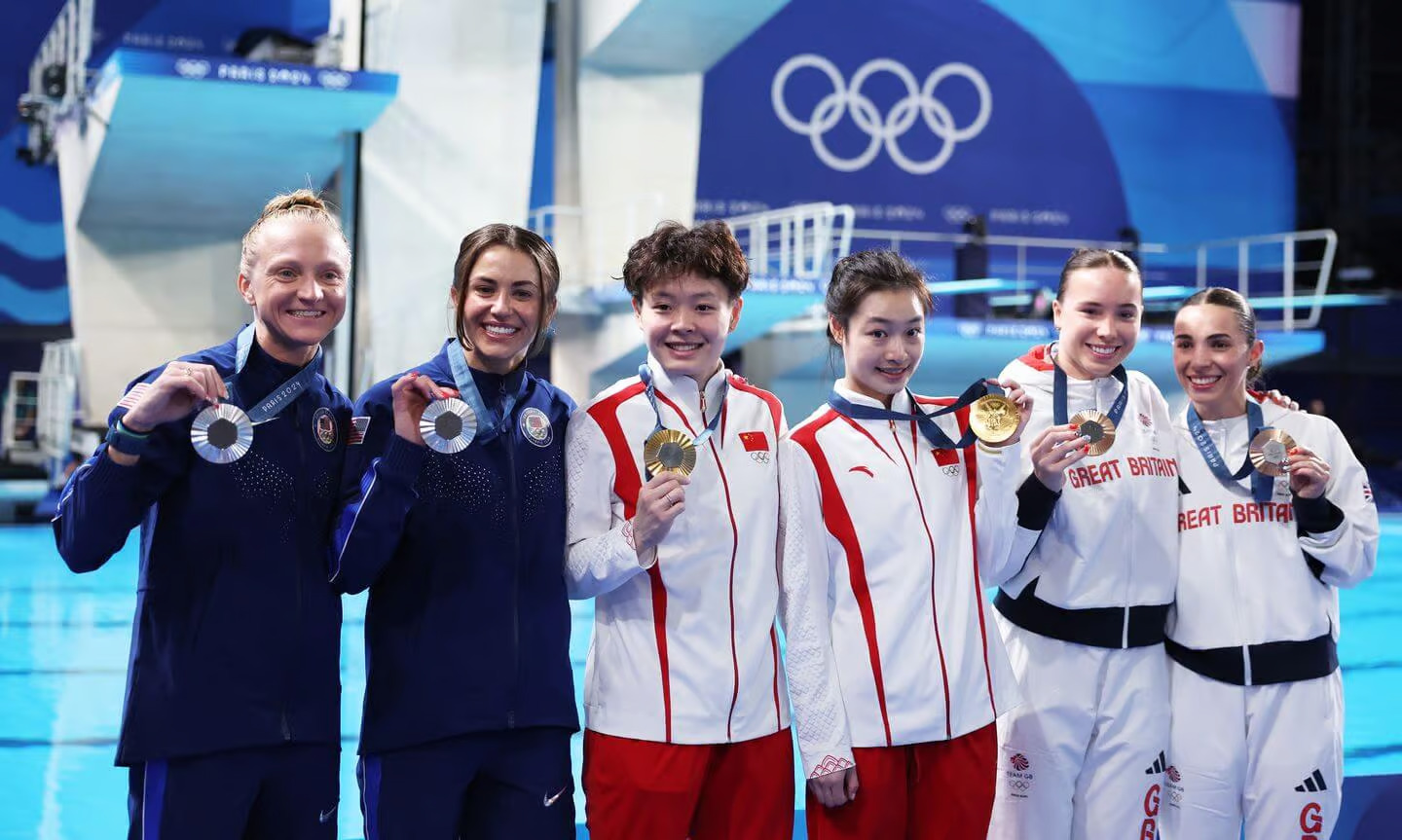
China’s Olympic History and Spirit
China won its first gold of the Paris Olympics last Saturday in the Women’s Synchronised 3-meter Springboard. While most will be aware of China’s remarkable modern day Olympics record, few would know the bumpy Olympic paths China have journeyed through since almost a century ago. A one-man debut and a budget shortfall In 1932, China…
-

Mandarin Summer Challenge
To keep your Chinese sharp over summer, in addition to online lessons which we introduced last week, we would also like to invite you to take a Mandarin Summer Challenge! What is it exactly? The Challenge includes 30 words mostly related to summer – we hope you will find them timely and handy. Throughout August,…
-

Does bilingualism delay language development?
On a drizzly winter morning, a parent with a young girl passed by our slightly soggy promotional stall. “Interested in learning Chinese?” my colleague asked enthusiastically. “Nope, we are still learning English!” The parent had responded confidently and with no hesitation. It’s not the first time I’d heard a reply like this. But even so…